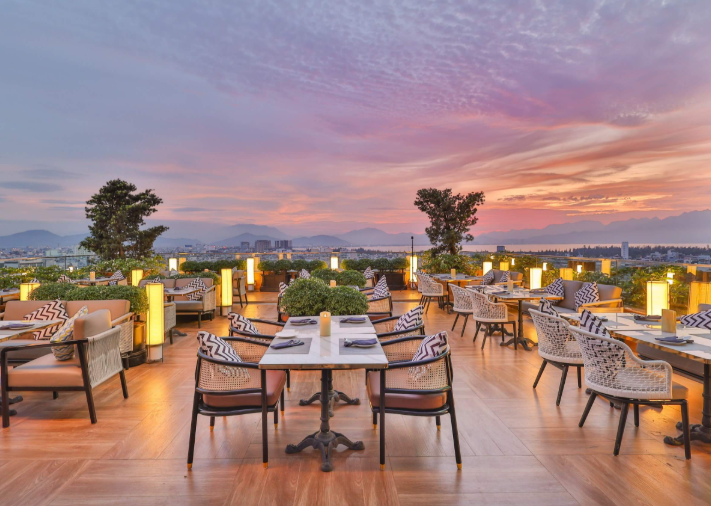

Restaurant life in cities reflects how people eat every day and how urban routines shape food habits. In modern cities, restaurants https://brajsansar.com/ become part of daily survival as much as they are part of lifestyle and comfort. People rely on them for speed, convenience, social moments, and variety. Every city builds its own restaurant rhythm, and that rhythm influences how residents choose, consume, and experience food throughout the day.
Urban Rhythm and Daily Eating Habits
City life moves quickly, and this pace directly affects how people eat every day. Many workers leave home early and return late, so restaurants fill the gap between tight schedules. Breakfast often happens in small cafés or street stalls near transport routes. Lunch becomes a short break in busy hours, while dinner turns into a moment of rest after long activity. Restaurants adapt to this rhythm by staying open longer, serving faster meals, and offering simple menus that fit daily needs. Street food plays a major role in city restaurant life because it matches fast urban movement. People stop at street vendors during work breaks, commutes, or late-night routines. These places offer quick meals that do not slow down the day. Street food areas often stay crowded because they bring together different groups of people in one shared space. The energy feels constant, and food preparation happens in front of customers, creating a direct connection between cooking and eating.
Casual Restaurants and Everyday Comfort
Casual restaurants support everyday eating by offering a balance between speed and comfort. These places usually serve familiar dishes that people can enjoy without long waiting times. Many residents visit the same casual restaurants regularly because they trust the taste and feel comfortable with the environment. Over time, these places become part of personal routines, almost like an extension of home where people return for consistency and ease. Family-owned restaurants bring a different layer to city dining culture. They often serve traditional dishes that reflect local heritage and long-standing recipes. These restaurants build strong relationships with regular customers who return not just for food but also for familiarity. Staff often recognize visitors, and that recognition creates a sense of belonging. In busy cities, these small personal connections give everyday meals more emotional value.
Social Eating and City Connections
Restaurants in cities also function as social spaces where people connect beyond daily obligations. Friends meet after work, families gather for celebrations, and coworkers share informal discussions over meals. These interactions turn restaurants into places where relationships grow naturally. Eating together becomes a way to slow down and connect in an environment that feels different from home or office settings. City restaurant life offers wide food variety because cities bring together different cultures and influences. One street can offer local dishes, international cuisine, fusion food, and modern dining concepts all at once. This variety allows people to choose meals based on mood, budget, and time. It also encourages exploration, where people try new flavors and expand their daily eating habits beyond traditional routines.
Modern Technology and Food Access
Technology changes how people experience restaurant life in cities. Food delivery apps allow meals to arrive without visiting restaurants physically. Online menus and reviews help people decide where to eat before leaving home. Social media influences food trends and makes certain dishes or restaurants popular quickly. Even with these digital changes, the core experience of eating and sharing food remains central to city life. The atmosphere inside restaurants affects how people experience everyday meals. Some restaurants focus on speed and efficiency, while others create relaxed environments for longer dining. Lighting, sound, seating, and service style all influence how comfortable people feel while eating. In cities, these differences allow people to choose restaurants that match their daily mood and energy level.